

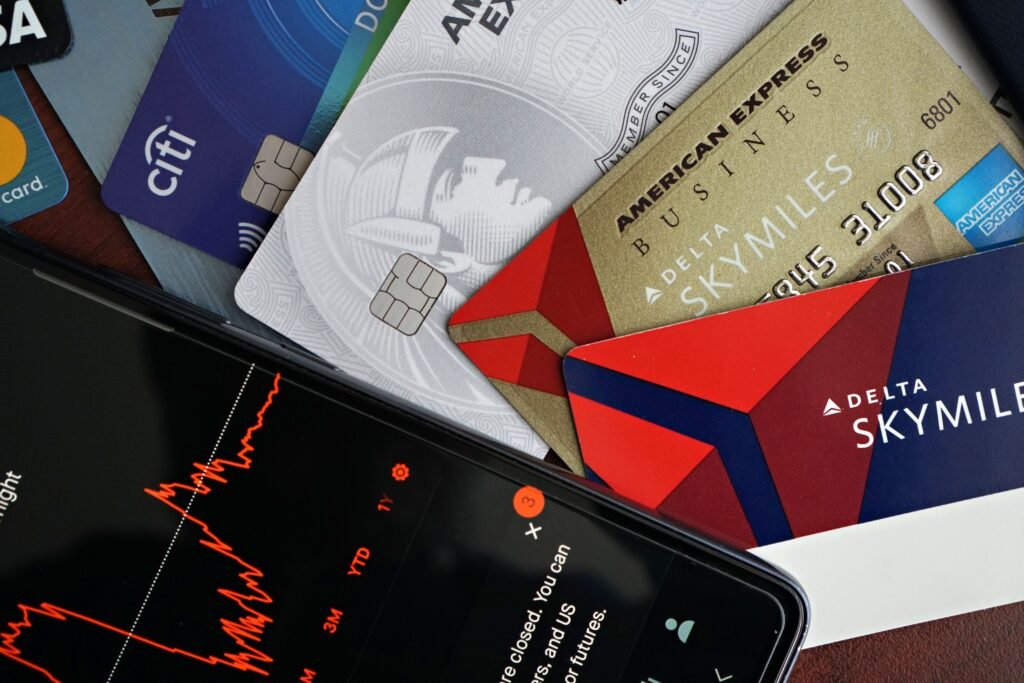
Credit cards are a convenient financial tool that allows consumers to make purchases and pay for them later. They are widely used for everyday expenses, online shopping, travel, emergencies, and other financial needs. When managed responsibly, credit cards can provide useful benefits such as rewards, purchase protection, and the opportunity to build a positive credit history.
However, using a credit card without understanding how it works can lead to high interest charges and unnecessary debt. Learning the basics can help you make better financial decisions.
What Are Credit Cards?
A credit card is issued by a bank or financial institution and gives you access to a specific amount of borrowed money. This amount is known as your credit limit.
When you use credit cards to make purchases, the money is borrowed from the card issuer. You then repay what you owe according to the terms of your account. Your monthly statement normally shows your total balance, minimum payment, transactions, and payment due date.
Unlike a debit card, a credit card does not normally take the purchase amount directly from your bank account.
How Do Credit Cards Work?
Understanding how credit cards work is important before using them regularly. Every purchase adds to your current balance. At the end of the billing cycle, the card issuer sends a statement showing how much you owe.
You usually have the option to pay the full balance or make at least the required minimum payment. Paying the full balance by the due date can help you avoid interest on purchases when the card offers a grace period and the account is eligible for it.
If you carry a balance, interest may be charged based on the card’s terms and annual percentage rate.
Benefits of Credit Cards
One of the main advantages of credit cards is convenience. They can make purchases easier, especially when shopping online or traveling.
Many cards also provide rewards. Depending on the card, you may earn cashback, points, or travel-related benefits on eligible purchases.
Another potential benefit is building credit history. Using a card responsibly, making payments on time, and keeping balances manageable can support a stronger credit profile over time.
Credit Card Interest and Fees
Before applying for credit cards, it is important to understand the costs. The annual percentage rate, commonly called APR, indicates the interest rate associated with borrowing.
Cards may also have annual fees, late payment fees, foreign transaction fees, balance transfer fees, or other charges. The exact costs vary between cards, so always review the terms and conditions.
A card offering attractive rewards may not necessarily be the best choice if its fees or interest costs are too high for your financial situation.
How to Use Credit Cards Responsibly
Responsible use is one of the most important parts of managing credit cards. Start by creating a budget and using your card for purchases you can afford to repay.
Try to make payments on time every month. Setting reminders or automatic payments can help prevent missed deadlines.
It is also useful to check your account regularly. Reviewing transactions can help you track spending and identify unauthorized charges or billing errors.
How to Avoid Credit Card Debt
Credit card debt can grow quickly when balances are carried from month to month. To reduce this risk, avoid spending more than you can afford simply because you have available credit.
If you already have a balance, create a repayment plan and focus on reducing unnecessary spending. Paying more than the minimum amount can help you reduce your balance faster and may reduce the amount of interest you pay over time.
Conclusion
Credit cards can be valuable financial tools when used carefully. They can provide convenience, rewards, and an opportunity to establish a positive credit history. However, interest charges, fees, and uncontrolled spending can make them expensive.
The best approach is to understand your card’s terms, stay within your budget, make payments on time, and avoid borrowing more than you can comfortably repay. With responsible habits, credit cards can become a useful part of your overall financial strategy.