

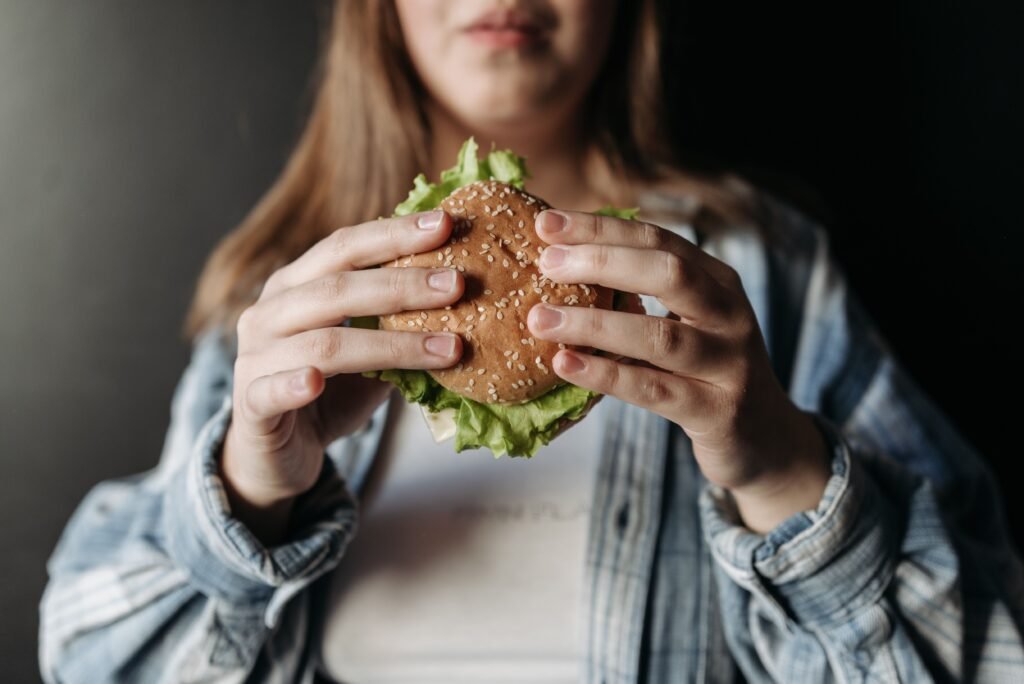
How to Gain Weight can be just as challenging as losing weight, especially for people with a naturally fast metabolism, a low appetite, or a busy lifestyle. However, learning how to gain weight in a healthy way is not simply about eating as much food as possible. The goal should be to increase your calorie intake while giving your body the protein, carbohydrates, healthy fats, vitamins, and minerals it needs.
1. Eat More Calories Than You Burn
The most important principle when learning how to gain weight is maintaining a calorie surplus. This means eating more calories than your body uses each day. Instead of suddenly eating huge meals, gradually increase your daily food intake.
Choose nutritious, calorie-dense foods such as rice, potatoes, oats, whole-grain bread, nuts, seeds, avocado, eggs, and dairy products.
2. Eat More Frequently
If you struggle to eat large meals, try eating five or six smaller meals throughout the day. Include breakfast, lunch, dinner, and healthy snacks between meals.
Eating regularly makes it easier to increase your calorie intake without feeling uncomfortably full.
3. Choose Protein-Rich Foods
Protein is essential for building and repairing muscle. If your goal is to gain healthy weight, include protein in most of your meals.
Good choices include eggs, chicken, fish, lean meat, beans, lentils, Greek yogurt, milk, and cottage cheese. Combining adequate protein with resistance training can help more of the weight you gain come from muscle.
4. Add Healthy Fats
Healthy fats provide a large amount of energy in a small serving. Add foods such as avocado, peanut butter, almonds, walnuts, olive oil, seeds, and fatty fish to your meals.
For example, adding peanut butter to toast or nuts to oatmeal can increase calories without making your meals much larger.
5. Drink High-Calorie, Nutritious Beverages
Smoothies and shakes can make how to gain weight easier for people who have a low appetite. You can combine milk or yogurt with bananas, oats, peanut butter, and fruit.
Try not to rely mainly on sugary sodas or highly processed drinks. Nutritious beverages provide calories together with important nutrients.
6. Eat Carbohydrate-Rich Foods
Carbohydrates provide energy and can help support an active lifestyle and strength training. Include foods such as rice, pasta, potatoes, oats, whole-grain bread, and other grains in your meals.
Combining carbohydrates with protein and healthy fats creates a more balanced meal.
7. Strength Train
If you want to gain weight while improving your body composition, resistance training can be extremely useful. Exercises such as squats, push-ups, rows, presses, and other strength exercises can stimulate muscle growth.
Start gradually and focus on good technique. Give your muscles enough time to recover between workouts.
8. Make Your Meals More Calorie-Dense
You do not always need much larger portions. Instead, make your existing meals more nutritious and energy-dense.
Add olive oil to vegetables, cheese to eggs, nuts to oatmeal, avocado to sandwiches, or peanut butter to smoothies. These simple additions can increase your calorie intake throughout the day.
9. Get Enough Sleep
Sleep is an important part of recovery and overall health. Your body needs adequate rest to recover from physical activity and support muscle development.
Aim for a consistent sleep schedule and create a comfortable environment that allows you to get sufficient quality sleep.
10. Be Consistent and Patient
Healthy weight gain takes time. Do not expect major changes after only a few days. Track your progress over several weeks and adjust your food intake if your weight is not increasing.
The best approach to how to gain weight is to focus on nutritious foods, sufficient calories, adequate protein, strength training, and consistent habits rather than relying on unhealthy junk food.
Final Thoughts
Learning how to gain weight successfully requires patience and consistency. Focus on eating more nutritious calories, getting enough protein, choosing healthy fats and carbohydrates, and supporting your diet with strength training and adequate rest. If you are unexpectedly losing weight, have difficulty gaining weight despite eating enough, or have other health concerns, speak with a qualified healthcare professional for personalized advice. and click how lose weight