

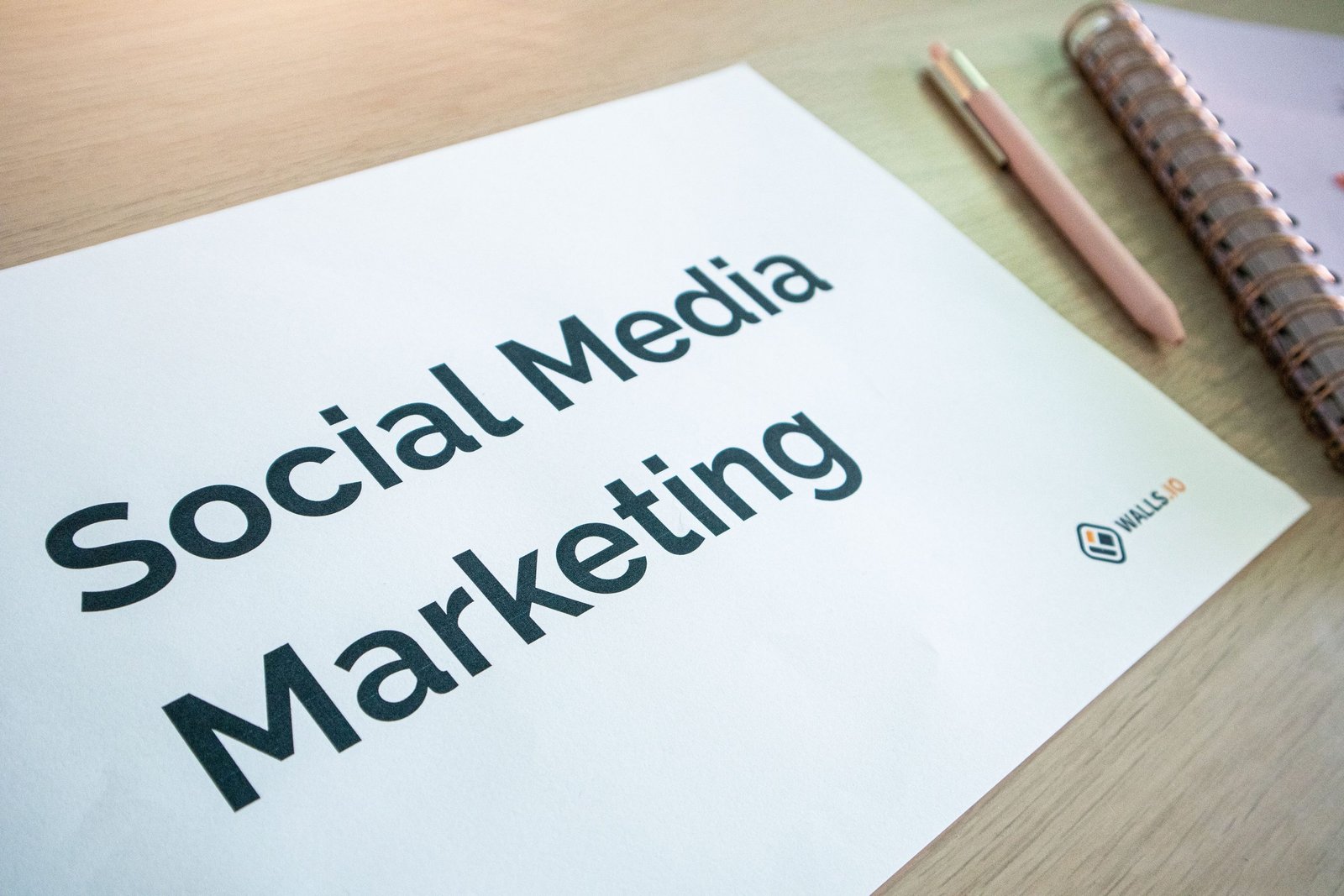
Social Media Marketing has become one of the most effective ways for businesses, creators, and entrepreneurs to reach their target audience. With billions of people using social media every day, businesses have a valuable opportunity to build awareness, connect with customers, and increase sales.
However, successful Social Media Marketing is not simply about posting every day. It requires a clear strategy, useful content, consistency, and a good understanding of your audience.
What Is Social Media Marketing?
Social Media Marketing is the process of using social media platforms to promote a business, product, service, or personal brand.
Platforms such as Facebook, Instagram, TikTok, LinkedIn, YouTube, and X allow businesses to communicate directly with potential and existing customers.
The main purpose is to attract the right audience, provide valuable content, build trust, and eventually encourage people to take action.
That action could be visiting a website, signing up for an email list, sending a message, making a purchase, or simply following the brand.
Why Is Social Media Marketing Important?
Social media gives businesses access to audiences that would be difficult to reach through traditional marketing alone.
One of the biggest advantages is the ability to target specific groups of people. Businesses can create content based on their audience’s interests, needs, questions, and problems.
Social Media Marketing can help businesses:
- Increase brand awareness
- Reach new customers
- Build relationships with existing customers
- Generate leads
- Increase website traffic
- Promote products and services
- Improve customer communication
- Build a strong online presence
For small businesses, social media can also provide an affordable way to compete with larger brands.
Choosing the Right Social Media Platform
You do not need to use every social media platform. The best approach is to focus on the platforms where your target audience is most active.
Facebook is useful for businesses that want to reach a broad audience. It can be used for posts, videos, communities, advertising, and customer communication.
Instagram is particularly useful for visual content. Businesses can use photos, Reels, Stories, and other formats to showcase products, services, and behind-the-scenes content.
TikTok
TikTok focuses heavily on short-form video. Businesses can use creative and educational videos to reach new audiences and increase awareness.
LinkedIn is especially useful for professional services, B2B businesses, recruiters, consultants, and personal branding.
YouTube
YouTube is ideal for longer educational videos, tutorials, product demonstrations, reviews, and informative content.
The right platform depends on your business and the people you want to reach.
Creating Valuable Content
Content is at the center of effective Social Media Marketing.
Instead of making every post a sales advertisement, focus on creating content that helps your audience.
For example, you can create:
- Educational posts
- How-to guides
- Tips and strategies
- Customer stories
- Product demonstrations
- Frequently asked questions
- Industry insights
- Short videos
- Behind-the-scenes content
A useful rule is to ask yourself one question before publishing: Does this content provide something valuable to my audience?
If the answer is yes, it is more likely to attract attention and build trust.
Consistency Matters
Consistency is one of the most important parts of Social Media Marketing.
You do not necessarily need to post several times every day. Instead, create a realistic schedule that you can maintain.
For example, you might publish three useful posts each week and use Stories or short updates between them.
The goal is to remain visible without sacrificing quality.
Engagement and Community Building
Social media is not only about publishing content. It is also about having conversations.
Respond to comments, answer questions, acknowledge feedback, and communicate with your followers.
When people feel that a business listens to them, they are more likely to trust that business.
Community building can create stronger relationships than simply collecting followers.
Using Analytics to Improve Results
Successful Social Media Marketing requires measurement.
Most major platforms provide analytics that can help you understand how your content performs.
Pay attention to metrics such as:
- Reach
- Engagement
- Video views
- Profile visits
- Website clicks
- Leads
- Conversions
These numbers can help you identify which types of content your audience prefers.
If educational videos consistently perform better than promotional posts, for example, you can create more educational videos.
Common Social Media Marketing Mistakes
One common mistake is focusing only on follower numbers. A large audience does not automatically mean a successful business.
Another mistake is posting without understanding the target audience. Content should be created for a specific group of people rather than everyone.
Businesses should also avoid copying competitors without developing their own voice and identity.
Finally, do not expect immediate results. Building an audience and earning trust takes time.
Final Thoughts
Social Media Marketing can be a powerful tool for businesses of all sizes. The key is to focus on the right audience, choose suitable platforms, create valuable content, stay consistent, and measure your results.
You do not need to become an expert overnight. Start with one or two platforms, learn what your audience responds to, and improve your strategy over time.
When used correctly, Social Media Marketing is not just a way to promote a business. It is a way to build relationships, establish trust, and create a strong online presence that can support long-term growth.